Venue: Chaves, Portugal
Date: 18/03/2025 – 21/03/2025
Hosting Organization: Associação Inspira! – Intervenção Juvenil e Ambiental
Participating Organizations:
- Extramus (Italy)
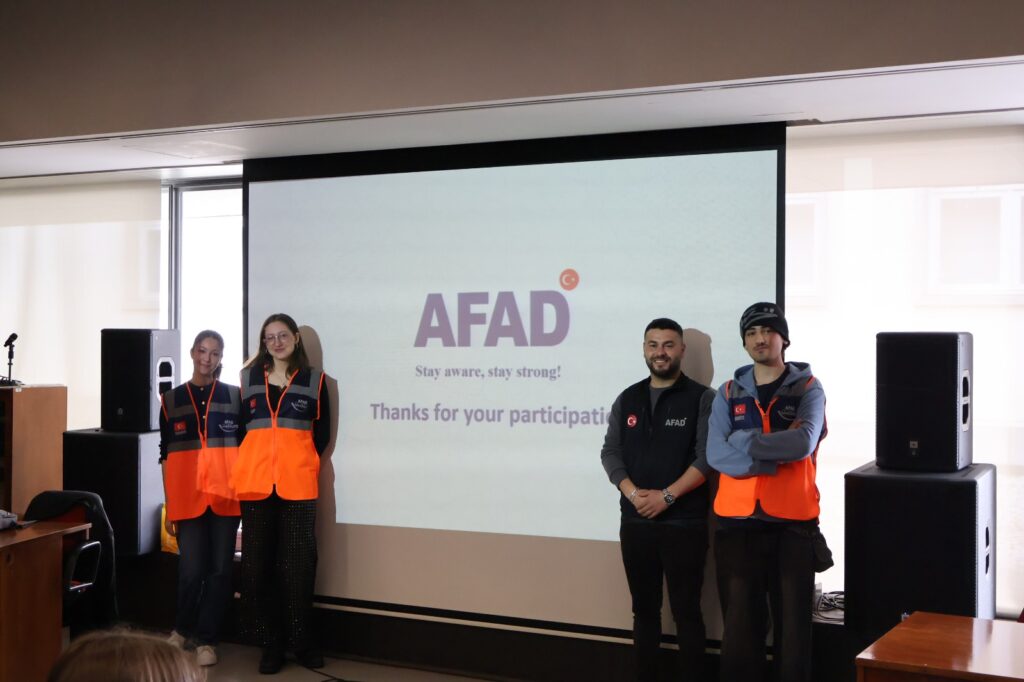
- Manisa Provincial Directorate of Disaster and Emergency Management (Turkey)
- European Initiative for Youth Empowerment, Mindfulness and Wellbeing “GO Alive” (Greece)
4th INTERNATIONAL FINAL ACTIVITY, CHAVES – PORTUGAL
Portugal – Chaves International Final Activity Report
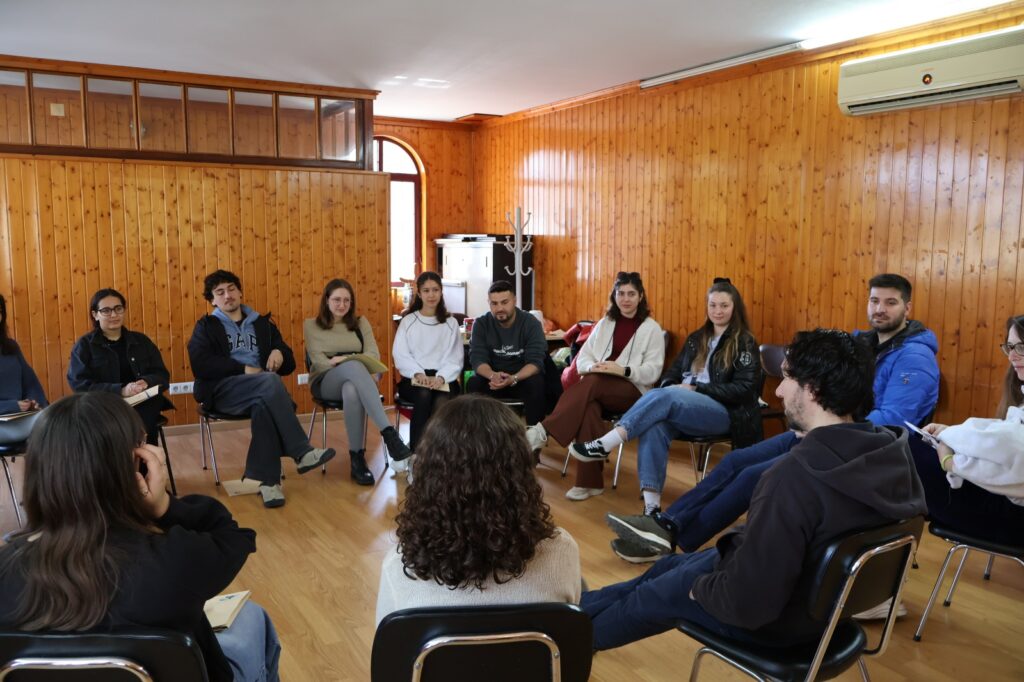
The international closing meeting of the project “Empowering Women in the Cases of Both Natural and Human Made Disasters” was held in the city of Chaves, Portugal, between March 16-18. The final activity was carried out to clarify the project reporting processes, evaluate the dissemination strategy, determine sustainability steps, and share all project outputs.
Throughout the event, participants took active roles both in the field and in coordination meetings, and inter-institutional cooperation among the partner organizations was strengthened.
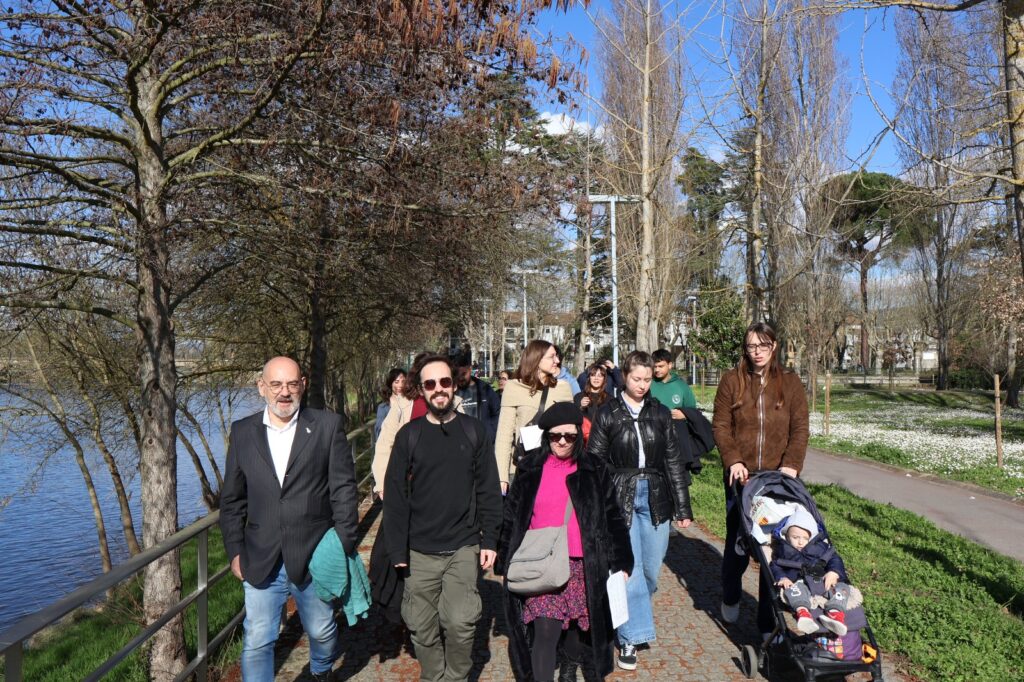
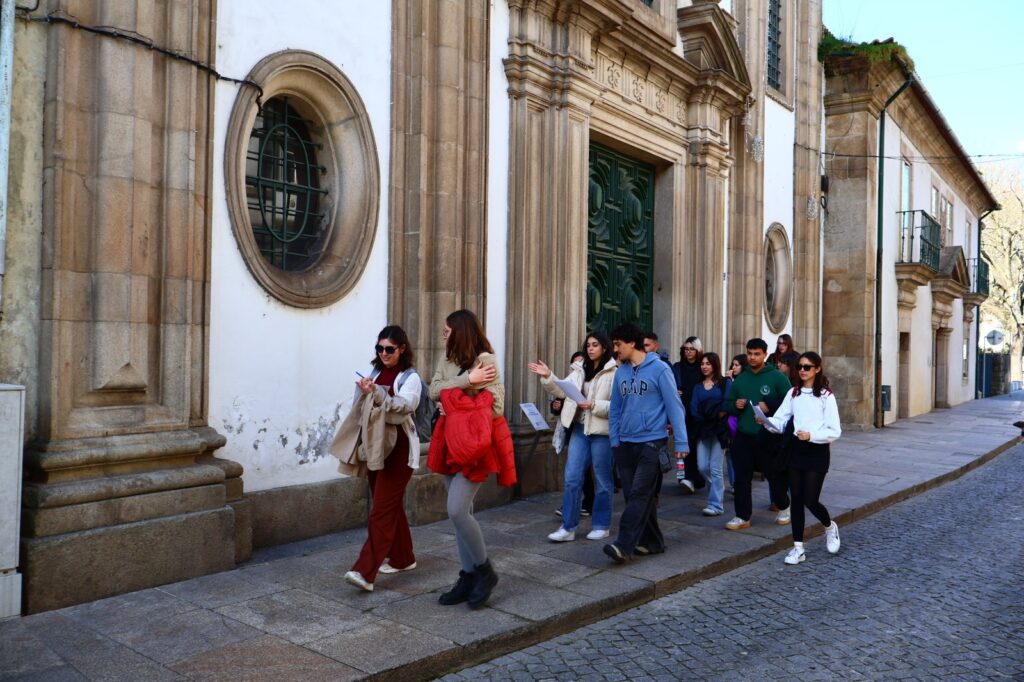
On the first day, the program began with introductory and interaction-enhancing games and the setting of ground rules; this was followed by an official welcoming ceremony at Chaves Municipality. During the ceremony, information was presented on the region’s disaster history and local resilience structures. At the end of the day, a coordination meeting was held to discuss the final version of the project website, how to upload dissemination activities to the Erasmus Project Results Platform, how to ensure access to the outputs, and how to maintain sustainability.
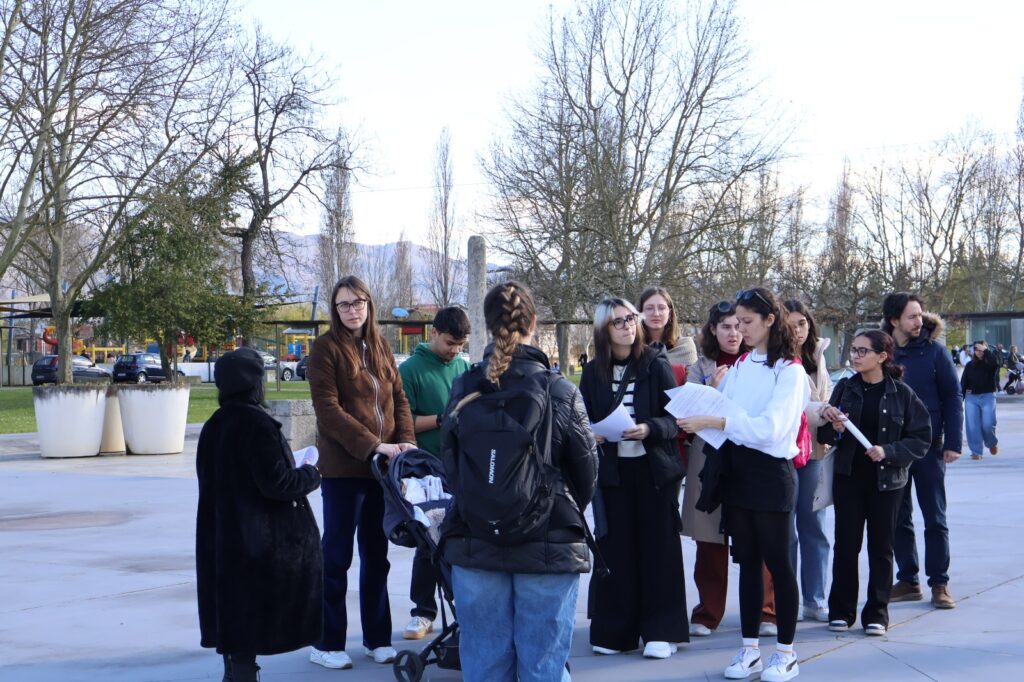
On the second day, participants met with vulnerable young women who had received disaster education at the local high school, conducted interviews with them, and provided information about the project to the local press. In the afternoon, short introduction and dissemination videos prepared by all partners were recorded. In the evening, work was carried out on the common texts to be used in project reporting, and responsibilities were distributed.
The third day started with a visit to a mountainous area in the region previously affected by a forest fire, as part of post-disaster ecological recovery; a short nature walk and ecology-based training were conducted. Afterwards, a symbolic competition involving all participants was held, and awards were given to the participants of the winning country. This event highlighted the educational and motivational aspects of the project.
Later that day, a joint evaluation of the project’s general outputs, achievements, and best practices was carried out with all partners. The experiences gained by participants throughout the project were collected in writing under the “Final Activity Evaluation Report.” Participants were asked to evaluate each day individually and express their personal gains.
During the final session, ideas were exchanged on future partnership opportunities, new Erasmus+ projects that could be developed on similar topics, and the distribution of Youthpass certificates. All these processes contributed to the long-term impact of the project and the creation of a shared vision regarding how its outputs could be integrated into educational curricula.